Faune and Flora
“The Gem of Madagascar”
Fauna
Around 90% of Madagascar’s fauna is endemic, meaning most of its lemurs, reptiles, and other species exist nowhere else on Earth.
Madagascar’s wildlife is incredibly unique, especially when you explore its dense forest ecosystems where lemurs thrive. These charismatic primates leap through the trees with agility, showcasing behaviours found nowhere else on Earth. The same forests shelter a remarkable diversity of reptiles, from vibrant chameleons to secretive snakes. Each step inside Madagascar’s forest reveals species that have evolved in complete isolation for millions of years. This rare combination of lemurs, reptiles, and untouched forest landscapes makes Madagascar one of the world’s most extraordinary wildlife destinations.
Flora
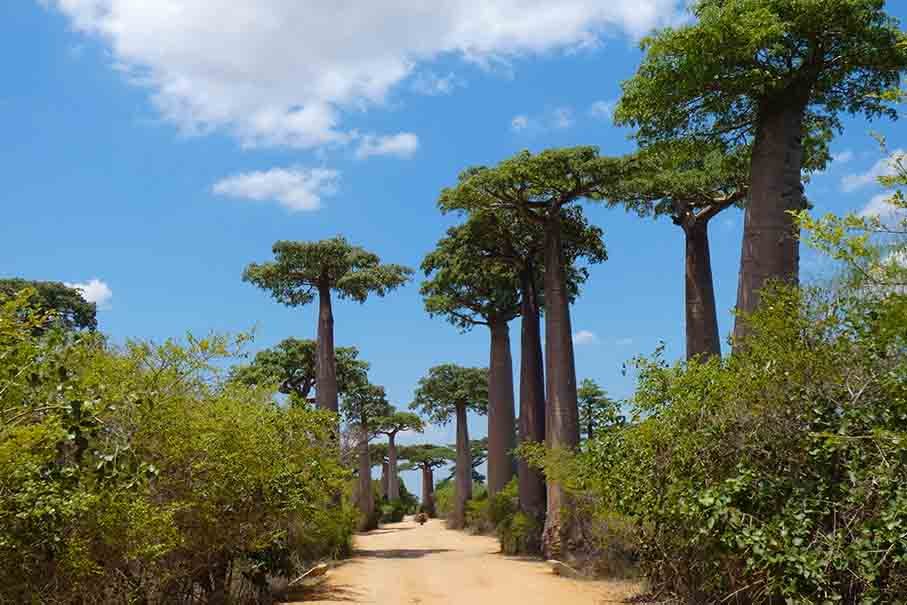
Madagascar’s fauna is world-renowned, especially its iconic lemurs, which leap gracefully through the dense forest canopy. The island is also home to an extraordinary diversity of reptiles, from vibrant chameleons to secretive ground boas. Alongside this wildlife, Madagascar’s flora stands out with unique species such as the majestic Ravenala (traveller’s palm), towering baobabs, and a rich variety of medicinal plants used by local communities. These ecosystems form a delicate balance where animals and plants depend on each other for survival. Exploring Madagascar means discovering a natural world found nowhere else on Earth.
Reptiles:
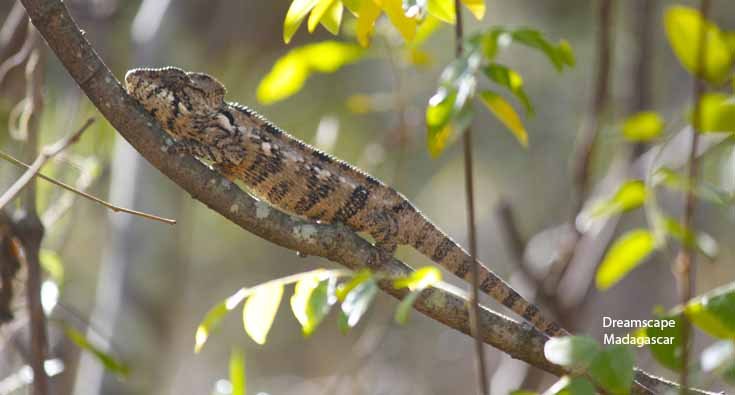
Reptiles in Madagascar are among the most fascinating in the world, offering an extraordinary diversity that captivates every nature lover. From brilliantly coloured chameleons that shift shades to communicate or camouflage, to elegant snakes gliding silently through the undergrowth, Madagascar’s reptile kingdom is full of wonder. These reptiles thrive across a wide range of habitats, from humid rainforests to dry spiny deserts, each species perfectly adapted to its environment. Whether you are exploring dense jungle trails or sandy coastal paths, encountering these creatures is always a thrilling highlight. Their uniqueness and ecological importance make them an essential part of Madagascar’s rich natural heritage, inspiring travellers to discover and protect its incredible biodiversity.

Why Madagascar is Ideal for Wildlife Tours?
Madagascar stands out as the ultimate wildlife destination, combining unique fauna and flora, endemic species, and breathtaking landscapes. From playful lemurs leaping through forest canopies to reptiles camouflaging in plain sight, the island offers adventures unlike anywhere else. For travellers seeking to witness nature’s wonders in their purest form, Madagascar is not just a trip, it’s a journey into a living treasure trove.
Madagascar boasts over 200 species of reptiles, including more than 90% that are endemic to the island. This remarkable level of endemism makes the island a living laboratory for wildlife lovers. Visitors can encounter chameleons in dazzling colours, snakes slithering through dense undergrowth, and geckos clinging to forest trees. Beyond reptiles, Madagascar is famous for its lemurs, with more than 100 species inhabiting various forest types. These primates are charismatic, highly social, and a true symbol of Madagascar’s unique fauna.
Mammal:
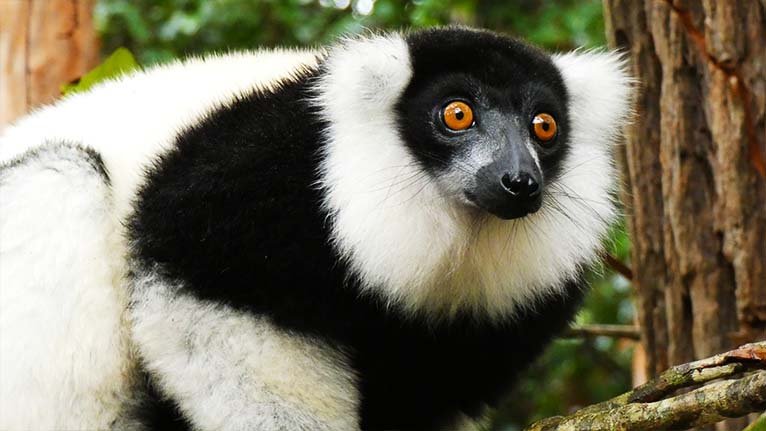
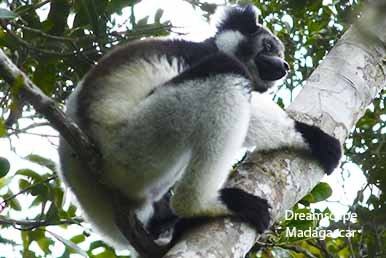
Madagascar is world-renowned for its unique mammals, with lemurs being the most famous and iconic species. These endemic primates, found nowhere else on Earth, attract wildlife enthusiasts from around the globe. Among them, the Ring-tailed Lemur stands out for its striking black-and-white striped tail and highly social behaviour, making it a favourite for photographers and tourists alike. Other notable species include the Indri, Madagascar’s largest lemur known for its haunting calls, and the Sifakas, which are celebrated for their graceful sideways leaps across forest floors. Observing these mammals in their natural habitats offers an unforgettable glimpse into Madagascar’s exceptional biodiversity.
The best places to see Madagascar’s endemic mammals are its protected national parks and reserves. Andasibe-Mantadia National Park is ideal for spotting Indri lemurs and various diurnal species, while Anja Community Reserve offers close encounters with Ring-tailed Lemurs in semi-wild conditions. For those seeking rarer species, Marojejy National Park and Ranomafana National Park provide lush rainforest habitats rich with wildlife. These destinations not only showcase lemurs but also highlight Madagascar’s unparalleled forest ecosystems, making the island a top choice for wildlife tours and nature-focused adventures.
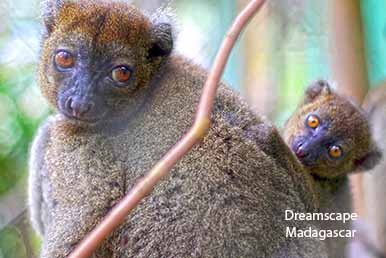
Lemurs and Fossa: Madagascar’s Iconic Wildlife
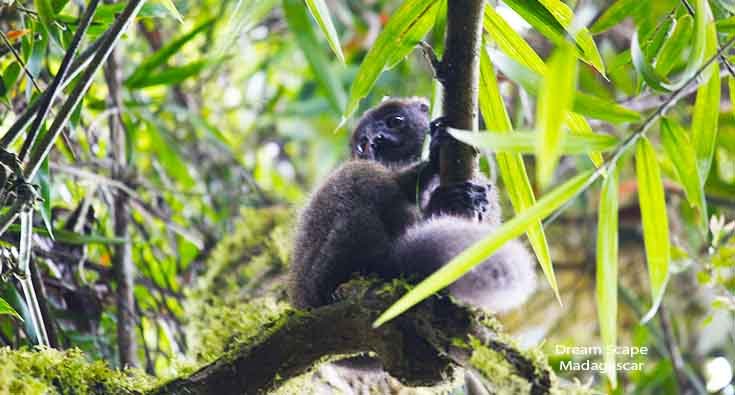
Madagascar’s unique wildlife offers unforgettable encounters for nature enthusiasts embarking on an eco tour through this biodiversity hotspot. The island’s most iconic residents, lemurs, can be found leaping through rainforest canopies and dancing across forest floors in their natural habitat. With over 100 species ranging from the tiny mouse lemur to the impressive indri, these charismatic primates exist nowhere else on Earth. A wildlife tour through Madagascar’s protected reserves and national parks provides rare opportunities to observe ring-tailed lemurs sunbathing in groups, sifakas performing their distinctive sideways hops, and nocturnal species emerging at dusk. The best viewing experiences occur in areas like Andasibe-Mantadia National Park, Ranomafana, and the spiny forests of the south, where expert guides help visitors spot these endangered creatures while supporting conservation efforts.
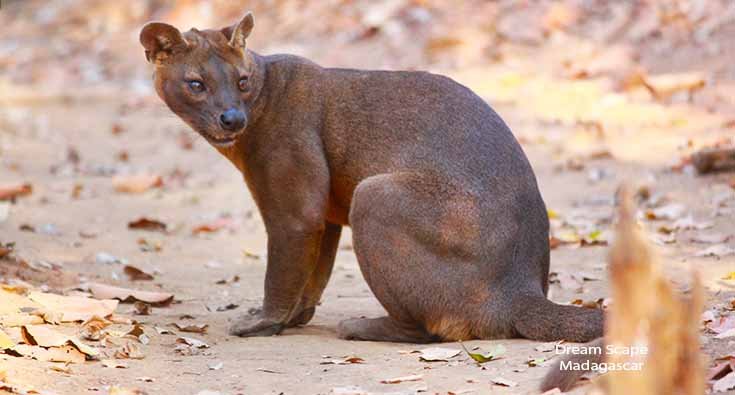
The fossa:
Madagascar’s largest carnivorous mammal, represents the apex predator of this isolated ecosystem and remains one of the most sought-after sightings on any wildlife tour. This cat-like creature, which can grow up to six feet long including its tail, primarily hunts lemurs and plays a crucial role in maintaining ecological balance. Spotting a fossa in the wild requires patience and luck, making it a thrilling highlight of any eco tour focused on Madagascar’s endemic species. Kirindy Forest and the western dry forests offer the best chances for fossa encounters, particularly during their mating season from October to December. Responsible tourism through guided wildlife experiences not only provides visitors with these remarkable animal encounters but also generates vital funding for habitat protection and community-based conservation programs that ensure both lemurs and fossa continue to thrive in Madagascar’s diminishing wilderness areas.